
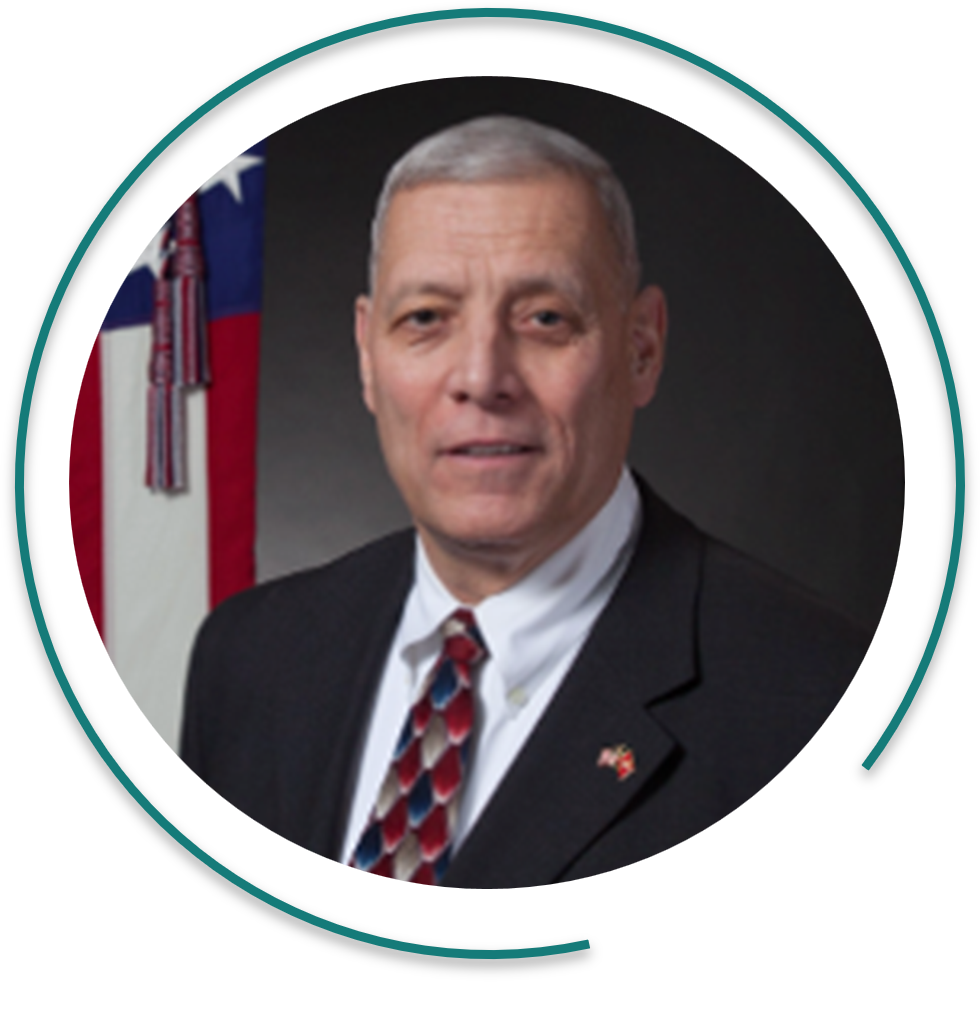
John M. Paxton Jr.
Executive Chair of Military and Defense
General Paxton distinguished 40-year career in the United States Marine Corps, culminated in his role as the 33rd Assistant Commandant of the Marine Corps, a position he held from 2012 until his retirement in 2016. Throughout his career, General Paxton earned numerous awards and decorations, including the Defense Distinguished Service Medal, Defense Superior Service Medal, and the Legion of Merit.
General Paxton graduated from Cornell University and was commissioned as a Marine officer in 1974. His service included a wide range of command and staff assignments, at every level, from platoon to division, including serving as the Commanding General of the 1st Marine Division and Commander of Marine Corps Forces of the Pacific. He was also deeply involved in joint and multinational operations, holding significant positions such as the Director of Operations (J-3) for the Joint Staff, where he was responsible for overseeing global operations and crisis response.
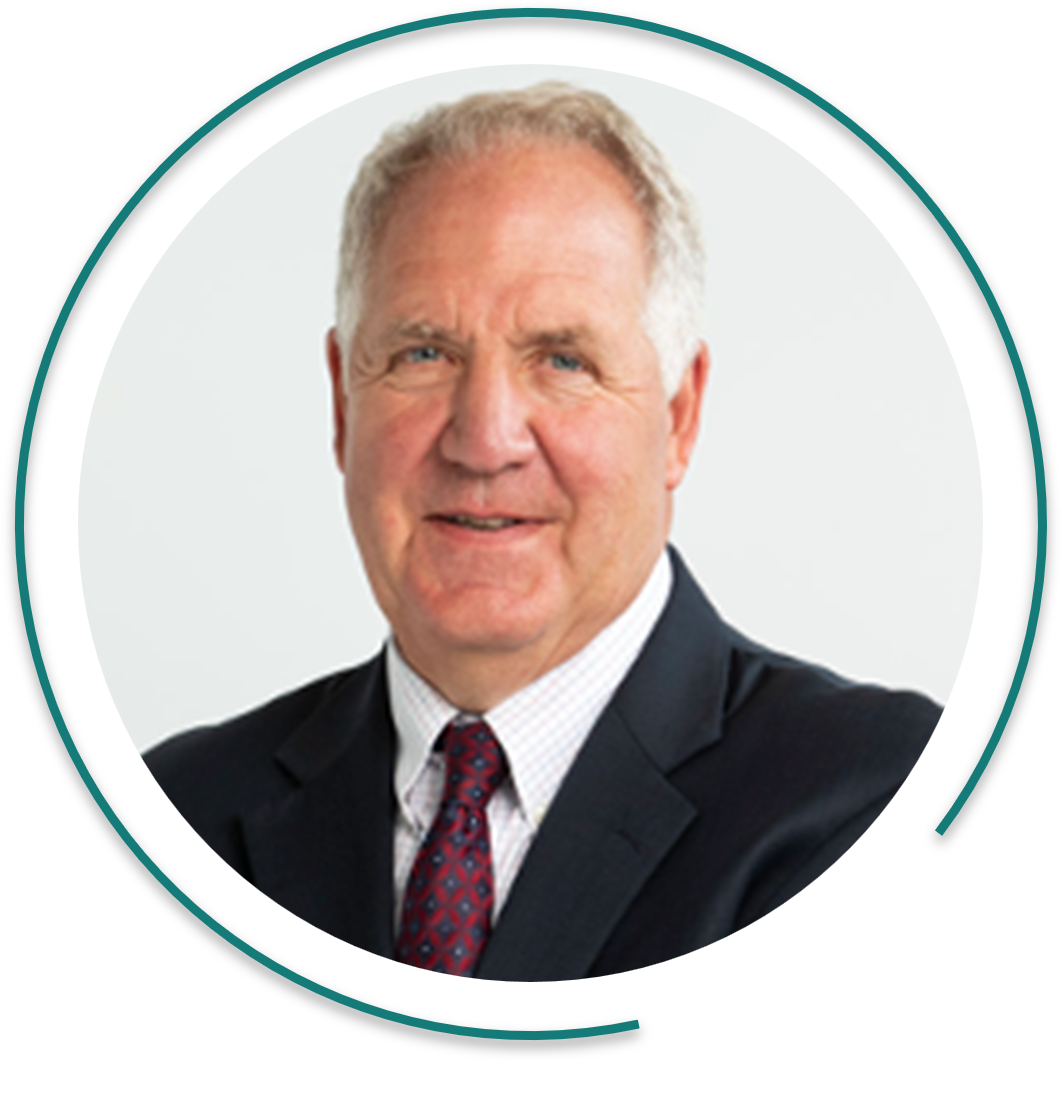
John M. Shimkus
Chair of Energy Policy
Mr. Shimkus, a graduate of the United States Military Academy at West Point, began his career as an Army officer before transitioning to public service. Over his 24 years in Congress, he became a key figure in energy policy, particularly as a senior member of the House Energy and Commerce Committee, where he served as Chairman and later as Republican Leader of its Environment and Climate Change Subcommittee. Additionally, he represented the United States in the NATO Parliamentary Assembly from 2001 to 2014 and was reappointed to the role by Speaker Paul Ryan in 2017.
Throughout his congressional career, Mr. Shimkus played a significant role in shaping U.S. energy policy, strongly advocating for nuclear energy and backing efforts to enhance the nation’s infrastructure and environmental regulations. Following his retirement from Congress, he joined KBS Group as a senior advisor, providing expertise in policy and government relations. His numerous achievements have earned him global recognition, including the 2005 Truman-Reagan Medal of Freedom, the Grand Cross of the Order of the Lithuanian Grand Duke Gediminas, and the Order of the Three Stars from Latvia.
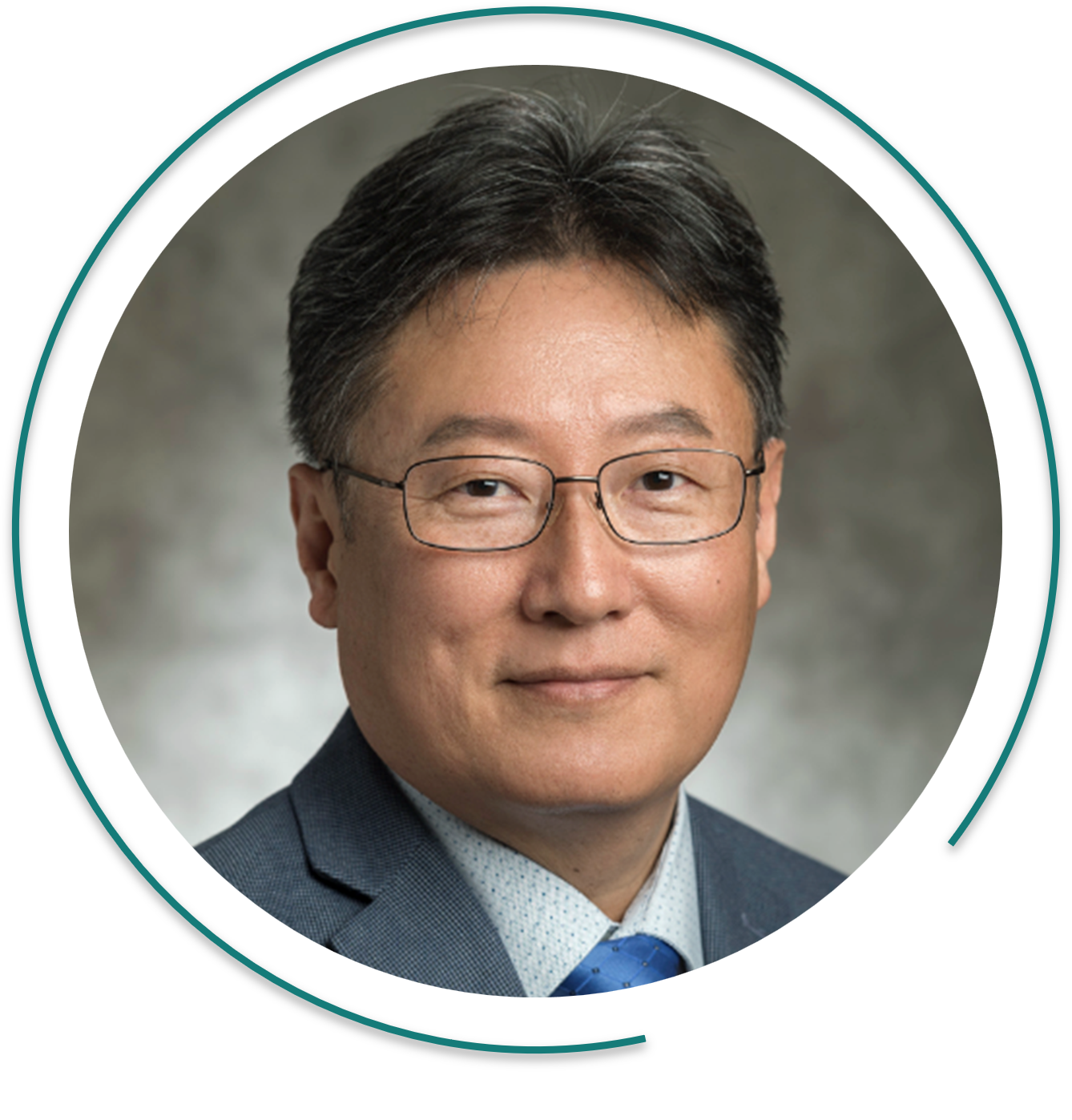
Brent Park, Ph.D.
Executive Director of Nuclear Security and Safeguards Policy
Brent is a nuclear physicist and a former government official with demonstrated leadership experience at Los Alamos National Laboratory (LANL), Nevada Test Site (NTS), and Oak Ridge National Laboratory (ORNL). Between 2018 and 2021, with Senate confirmation just 6 weeks after being nominated by President Donald J. Trump, Brent served as Deputy Administrator at the National Nuclear Security Administration (NNSA). He led Defense Nuclear Nonproliferation programs to support the nation’s efforts in nonproliferation treaties and international arms control, international nuclear security, safeguards, and export control policies. Prior to joining NNSA, Brent was Associate Laboratory Director at ORNL, leading the science-to-application efforts for national security programs. Research topics are wide-ranging, with particular focus on materials science and engineering, cybersecurity, high-performance computing and big data analytics, artificial intelligence, and nuclear science and engineering.
Previously, Brent was the director of NNSA’s Remote Sensing Laboratory, where he led efforts to advance and field cutting-edge diagnostics and communications instruments in support of counterterrorism and radiological incident response for the nation. As the NNSA’s non-proliferation chief, he led efforts and engagements to prevent nuclear weapons proliferation and to reduce the threat of nuclear and radiological terrorism around the world. Earlier, Brent managed and contributed to basic and applied research programs at LANL in the areas of physics and engineering, modeling and analysis, and nuclear weapons physics and engineering in support of stockpile stewardship, as well as nuclear emergency response and nuclear facility operations. Brent earned a bachelor’s degree in physics and mathematics at Illinois State University and a master’s degree in physics with an emphasis on remote sensing at Indiana State University. Later he shifted the direction of his research to nuclear physics and earned a master’s degree at Indiana University. Brent performed a thesis experiment using the spallation neutron source at LANL and earned a PhD in physics at Ohio University. He held a prestigious Physics Division postdoctoral fellowship at LANL before becoming a technical staff member.

Lieutenant General S. Clinton Hinote (Ret.)
Executive Chair of Federal and Defense Initiatives
As the former Deputy Chief of Staff for Strategy, Integration, and Requirements, Lieutenant General Hinote served at the Pentagon from June 2020 to June 2023, spearheading Air Force Futures and acting as the senior advocate for the future force. In that capacity, he shaped long-range concepts, steered wargames, and aligned future-force design and acquisition priorities before retiring after more than three decades in uniform.
Prior to his Air Staff assignment, Hinote’s career blended operational command and strategic policy. A command pilot with more than 2,000 flight hours, including 240 combat hours in Operations Northern and Southern Watch, he led the 3rd Fighter Training Squadron, served as Vice Commander of the 52nd Fighter Wing in Germany, and commanded the 8th Fighter Wing (“Wolf Pack”) in South Korea. Earlier tours ranged from instructor duty at the U.S. Air Force Weapons School to Chief of Strategy for U.S. Air Forces Central.
Commissioned in 1992 upon earning a B.S. in space physics from the U.S. Air Force Academy, Hinote went on to receive an M.P.P. from Harvard’s Kennedy School and later completed a Ph.D. in military strategy at Air University, supplementing his education with programs at the Air Command and Staff College, the School of Advanced Air and Space Studies, and a Council on Foreign Relations fellowship.
Hinote’s decorations include the Distinguished Service Medal, Defense Superior Service Medal, Legion of Merit, Bronze Star, and multiple Air Medals. Following retirement, he joined the RAND School of Public Policy as a professor of policy analysis, continuing to shape discourse on airpower, strategy, and defense innovation.

Randall L. Beatty, Ph.D.
Chairman of the Executive Advisory Board for UF6 Gas Handling Systems
Dr. Randy Beatty is an international fuel cycle specialist with decades of technical expertise in export control, scientific cooperation, nuclear fuel cycle, and uranium processing with an emphasis on enrichment and fuel fabrication. Dr. Beatty retired from Oak Ridge National Laboratory in 2019, where he was a distinguished research and development staff member in the Nuclear Security and Isotope Technology Division.
He also served as a Laboratory Lead at the Department of Energy’s Office of Nuclear Energy for China Cooperation; was the National Nuclear Security Administration Laboratory Lead for South African HEU Minimization; and Program Manager/Section Head for the International Project on Innovative Reactors and Fuel Cycles (INPRO) at the International Atomic Energy Agency (IAEA) in Vienna. He was also a senior diplomatic officer in Moscow Russia and the Deputy Executive Director for the International Science and Technology Center (ISTC).
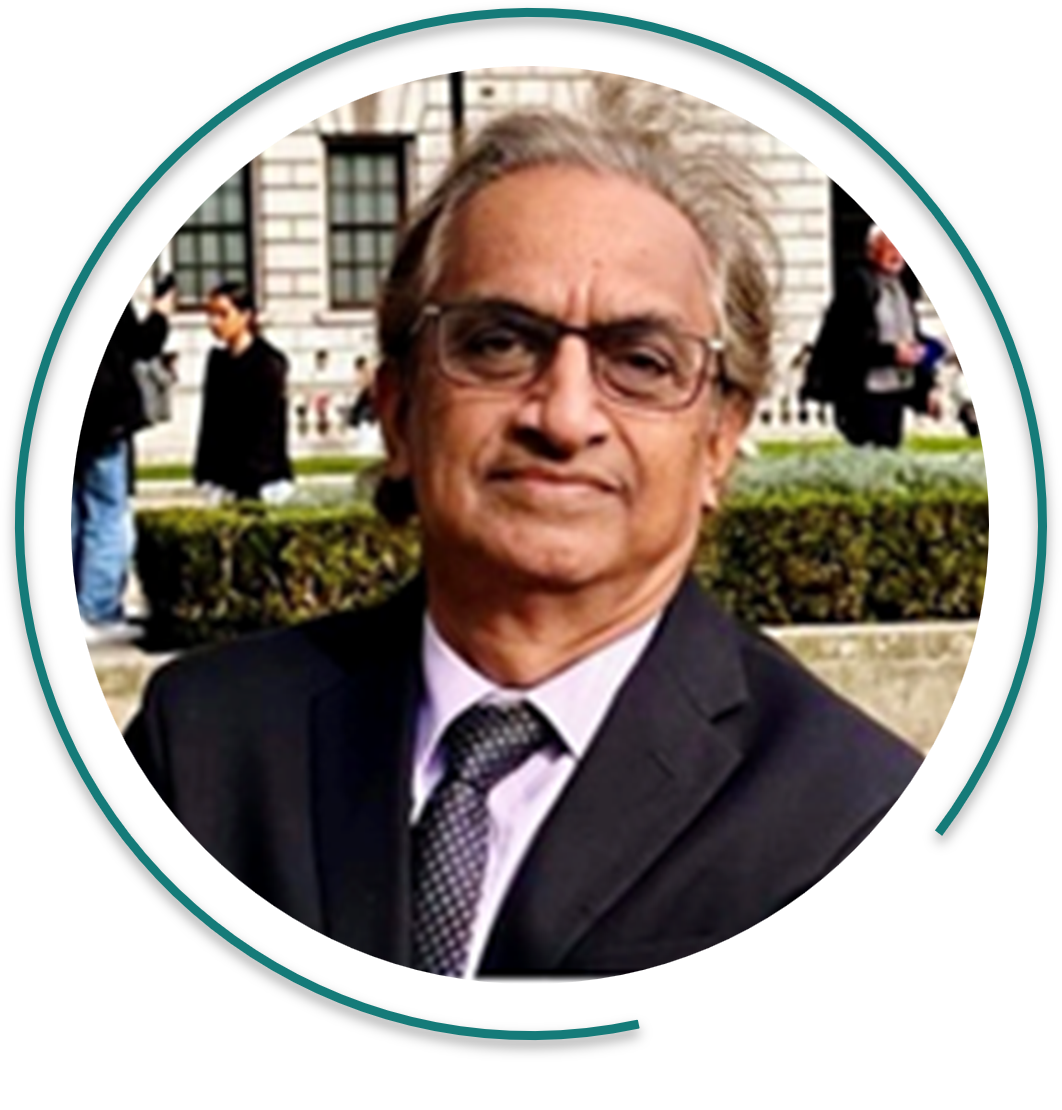
Junaid Razvi Ph.D.
Senior Advisor in Nuclear Energy
During his tenure at General Atomics (GA), Dr. Razvi played a pivotal role in advanced nuclear fission programs. He spearheaded initiatives to develop intellectual property and establish domestic production of critical medical radioisotopes, earning recognition from the U.S. Congress and the Department of Energy. Additionally, Dr. Razvi directed GA’s global activities for its TRIGA® reactor facilities, overseeing installations in 23 nations, and managed GA’s nuclear facilities, including research reactor operations and nuclear fuel manufacturing.
Dr. Razvi holds a Ph.D. in Nuclear Engineering from Kansas State University, a Master’s in Nuclear Engineering from the University of Washington, and a bachelor’s degree in liberal arts with a focus on Physics and Mathematics from Wabash College, Indiana.
Dr. Razvi also managed a U.S.-Russia collaboration to develop advanced modular GEN-IV gas-cooled reactor technology, ensuring compliance with bilateral treaties for plutonium disposal from dismantled nuclear weapons. Furthermore, Dr. Razvi contributed to developing solutions for the safe transport of used nuclear fuel.
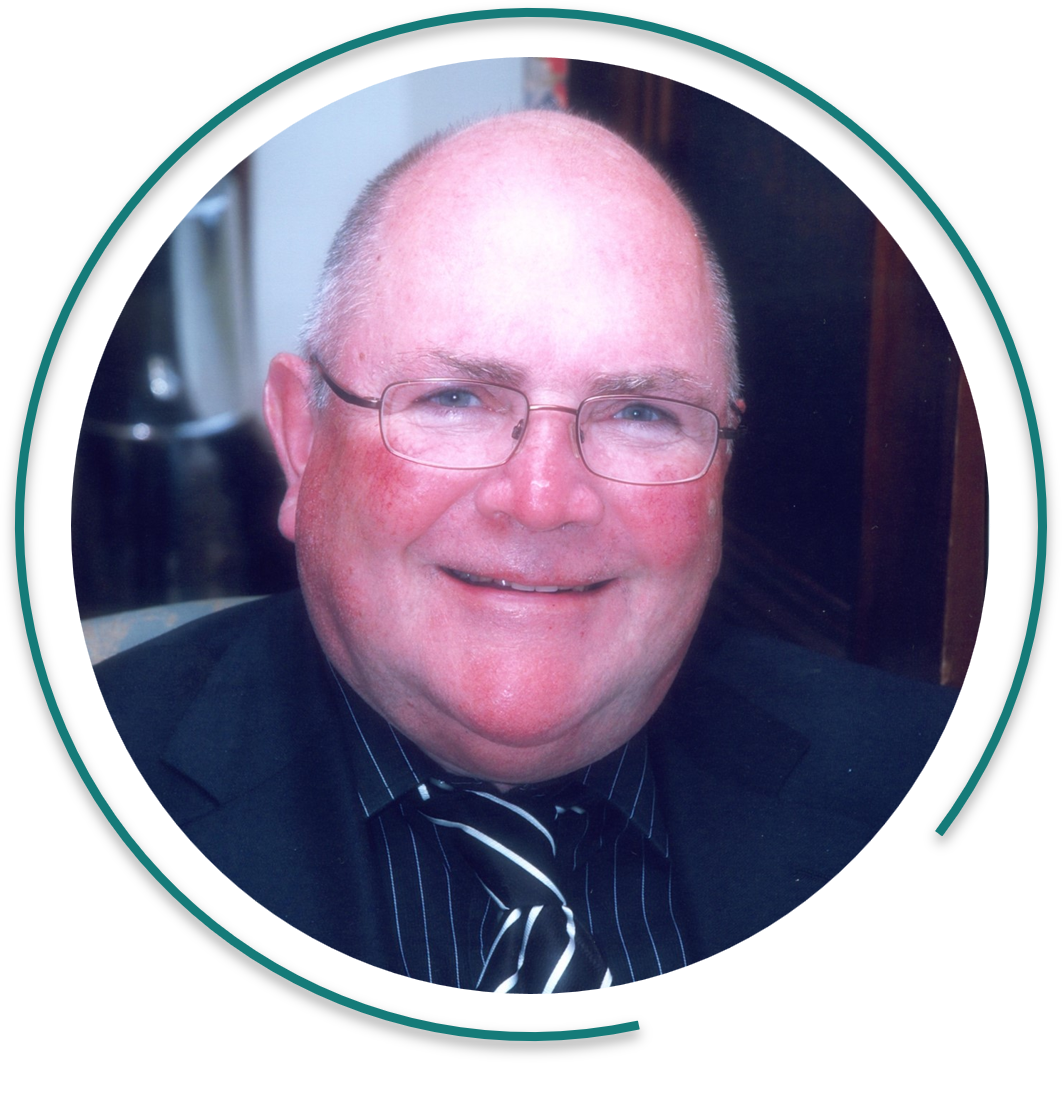
Dennis Garratt, Ph.D.
Chairman of the Executive Advisory Board for Laser Enrichment (CRISLA 2G Canada)
Dennis G. Garratt is a senior executive with an extensive background, unique in its combination of academic, government and business/industrial environments with 50 plus years of diverse technical and management experience in scientific research and experimental development. He obtained a Ph.D. in Physical Organic Chemistry (1975) from the University of Toronto, Canada, after which he joined the research group of Nobel Laureate, Dr. R. B. Woodward at Harvard University.
In 1976 he was hired as a professor of Chemistry in the Faculty of Science and Engineering at the University of Ottawa. In 1981 he was recruited by the R&D Division of Eldorado Nuclear Ltd. and in January 1989 recruited by Cameco as the Director of a new R&D group to suit Cameco’s goals for scientific research and experimental development. Dr. Garratt left Cameco in 1996 and started independent theoretical work on reaction hyper-surfaces, until he retired in 2009. He (co)authored at least 14 patents, and published over 60 peer reviewed papers, and many technical papers and reports, mostly in classified space. He also coauthored one reference book, He is a citizen of Canada and is married with one child and two grandchildren.
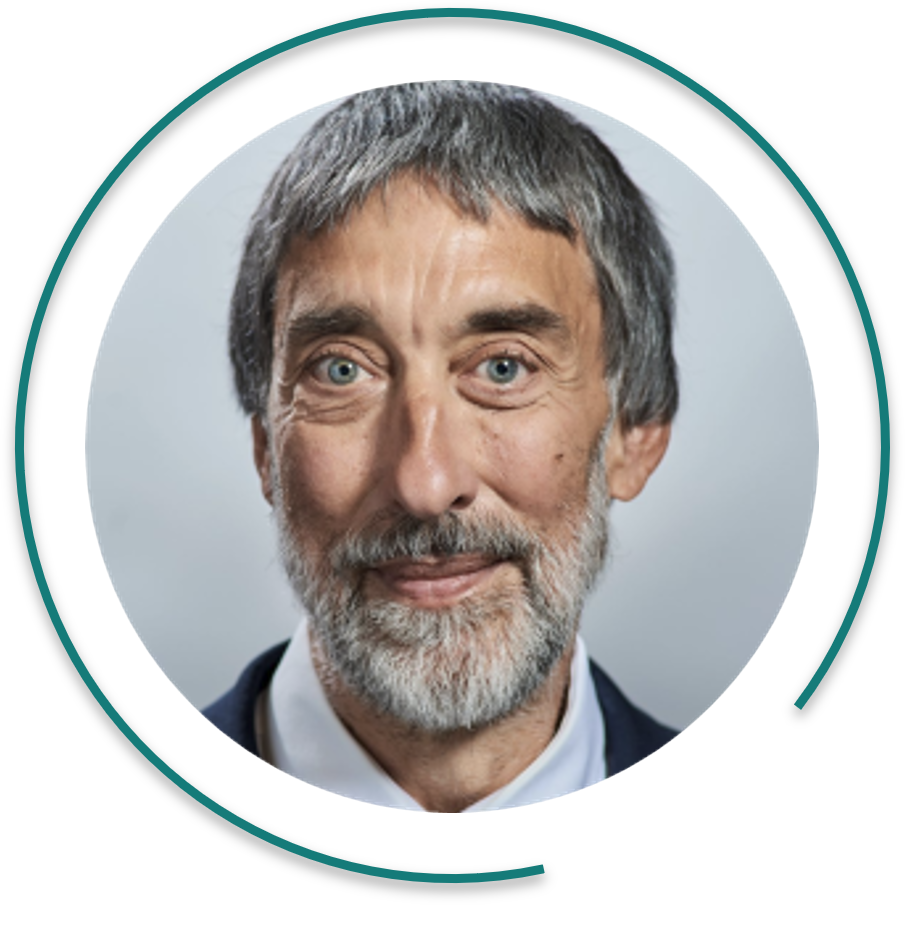
Tom Blees
Head of Corporate Initiatives
Tom Blees is the President of the Science Council for Global Initiatives (SCGI), an international NGO that includes climatologists, scientists, and engineers involved in cutting-edge energy systems and climate research. In his professional history, Mr. Blees has acted as a consultant and energy systems advisor to private industry and governments from the local to the international level.
Mr. Blees is also on the board of The World Energy Forum, a UN- & World Bank-affiliated organization and a member of the selection committee for the Global Energy Prize, considered Russia’s equivalent of the Nobel Prize for energy research.
Author of the book “Prescription for the Planet – The Painless Remedy for Our Energy & Environmental Crisis”, he is actively involved in encouraging and coordinating high level international cooperation on advanced nuclear power system and fuel cycle projects with the USA, Russia, South Korea, Japan, China, the United Kingdom, South Africa, and other countries.